There’s nothing quite like the taste of something you’ve grown yourself. A cherry tomato bursting with sweetness, a crunchy cucumber fresh off the vine, or a basil leaf that perfumes your fingers before it even hits your plate—it all feels magical. And it is.
At Organic Harvest, we believe food isn’t just something you consume—it’s something you participate in. Growing your own organic produce changes the way you eat. It invites you to slow down, savor, and celebrate every bite. It also reconnects you to ancient rhythms of nourishment and seasonality.
Let’s explore what it means to truly eat from your garden—and why it matters.
If you’ve ever compared a store-bought tomato to one picked from your backyard, you know: the taste is worlds apart. Homegrown produce is harvested at peak ripeness, not picked early for transport. That means higher sugar content, more developed flavors, and richer nutrients.
Organic gardening also skips the synthetic pesticides and chemical fertilizers that can dull taste and deplete soil life. When your plants grow in thriving, living soil, they offer back deeper nourishment and flavor.
When your food comes from your backyard, cooking becomes more intuitive. Instead of planning meals around a grocery list, you plan around what’s ready to harvest.
Got kale and snap peas today? Stir fry it with garlic and sesame. Tomatoes coming in heavy? Time for fresh salsa. Zucchini going wild? Spiralize it, grill it, stuff it.
This flexibility makes cooking more creative and more joyful. And it reduces waste, too.
Nature provides exactly what we need, when we need it. Leafy greens grow in spring when our bodies crave detoxification. Cucumbers and melons thrive in summer, offering hydration and cooling energy. Root vegetables grow in autumn, grounding us for winter.
When you eat with the seasons, you nourish yourself more fully. You learn to listen to your body and your environment—and that intuition supports lifelong wellness.
Struggling to get your kids to eat more vegetables? Put them in the garden. Research shows that children are far more likely to try and enjoy foods they’ve helped grow. A child who plants radishes is more likely to crunch one proudly, even if it’s spicy.
Gardening empowers kids. It gives them ownership of their food and helps them understand where it comes from. That early connection creates lasting healthy habits.
Food grown with love is meant to be shared. Whether it’s a potluck with neighbors, a tomato sandwich with your partner, or a bouquet of edible flowers gifted to a friend—garden eating builds connection.
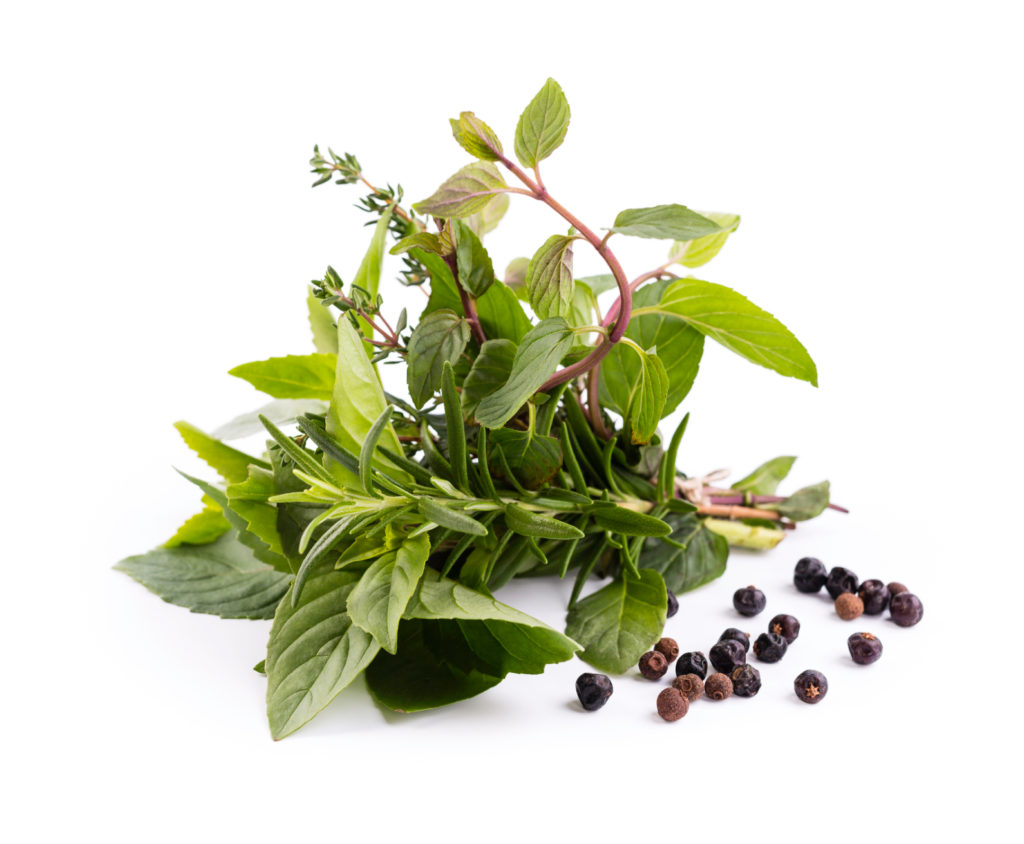
Start weekly harvest meals. Host garden brunches. Bring your herbs into the kitchen in a woven basket. Turn the act of eating into a celebration of nature’s generosity.
Sometimes your garden gives you more than you can eat in a day—so preserve it! Learn simple methods like:
These small acts extend your harvest into the colder months and help reduce food waste.
One of the most joyful parts of gardening is choosing what to grow based on what you love to eat. Do you adore salsa? Grow tomatoes, onions, cilantro, and jalapeños. Dreaming of herbal teas? Plant lemon balm, chamomile, and mint.
Design your garden around your palate—and your meals will be even more meaningful.
When you eat from your garden, you taste more than just vegetables. You taste the rain, the sunshine, the care. You taste patience. You taste presence. And in a world of rushed meals and processed food, that’s a radical return to wholeness.
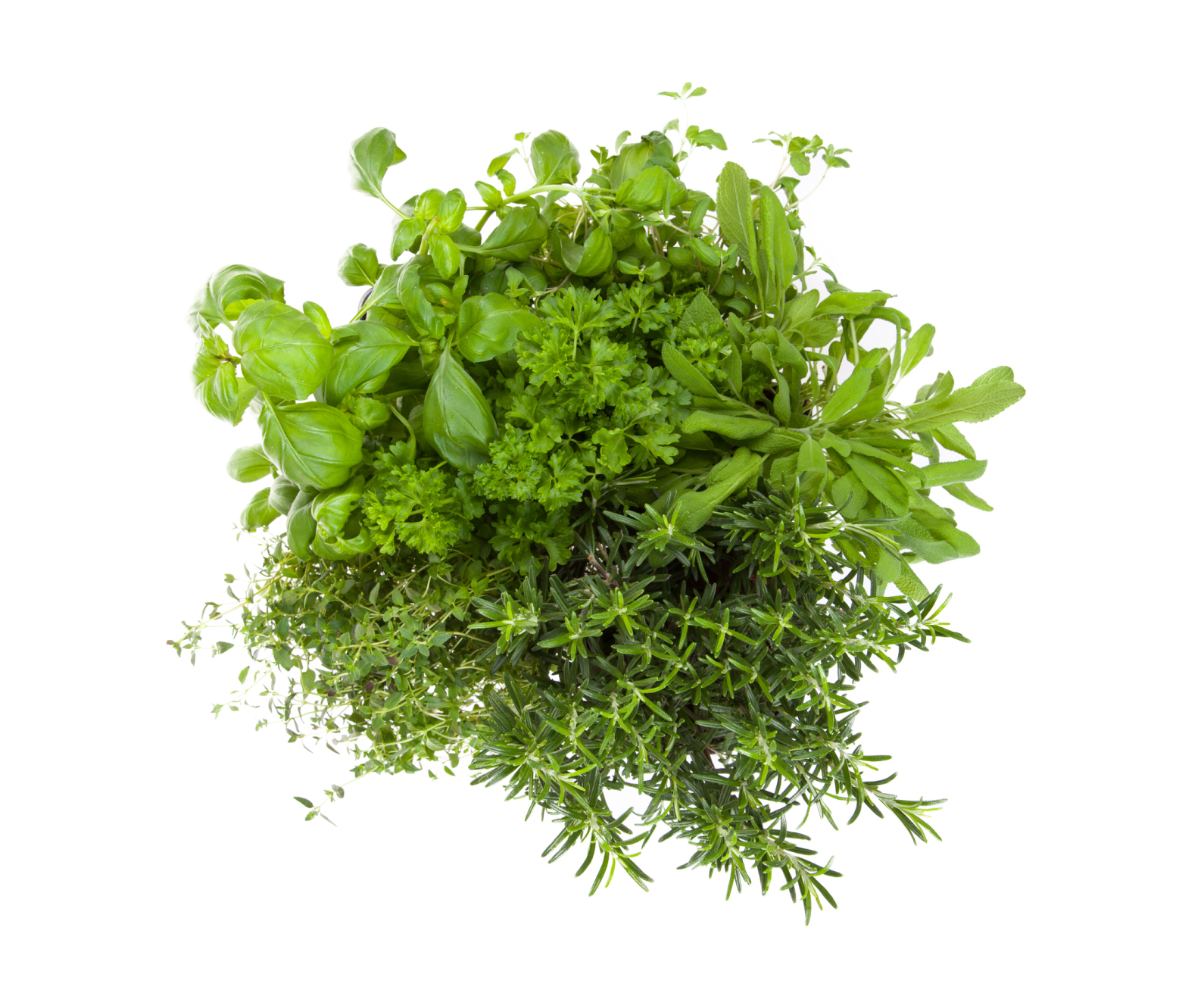
So go on—harvest a cherry tomato still warm from the sun. Pluck a basil leaf with your fingers. Let your meals be sacred. Let your food be joyful.
Eat the garden. Eat the love.