Starting an organic garden can feel overwhelming at first—but it doesn’t have to be. Whether you’re planting herbs in pots or growing vegetables in your backyard, the fundamentals of organic gardening are simple, intuitive, and rooted in working with nature, not against it. In this post, we’ll break down the core principles and steps you need to start growing healthy, chemical-free food at home.
Organic gardening avoids the use of synthetic fertilizers, pesticides, herbicides, and genetically modified organisms (GMOs). Instead, it focuses on nourishing the soil, supporting biodiversity, and promoting long-term sustainability. USDA-certified organic plants are grown according to strict standards that prioritize environmental health and human safety.
When you grow organically, you’re not just avoiding toxins—you’re building a self-sustaining ecosystem that thrives over time.
Before you plant anything, find out your USDA Plant Hardiness Zone. This will help you understand your region’s climate, frost dates, and which plants will thrive. You can find this information on many gardening websites or local agricultural extension offices.
Understanding your zone ensures better success and saves you from planting varieties that might not survive your seasonal conditions.
Most edible plants need at least 6–8 hours of full sun each day. Look for a spot that receives consistent sunlight and has good drainage. If space is limited, consider raised beds, grow bags, or container gardening on a balcony.
Your site should also be close to a water source and easy for you to access regularly.
Soil health is the foundation of organic gardening. Instead of feeding the plant directly (like synthetic fertilizers do), organic gardening feeds the soil—because healthy soil grows healthy plants.
Start by testing your soil’s pH and texture. Amend with compost, aged manure, worm castings, or organic soil mixes to boost nutrients and microbial activity. Avoid tilling too frequently, as this can damage soil structure.
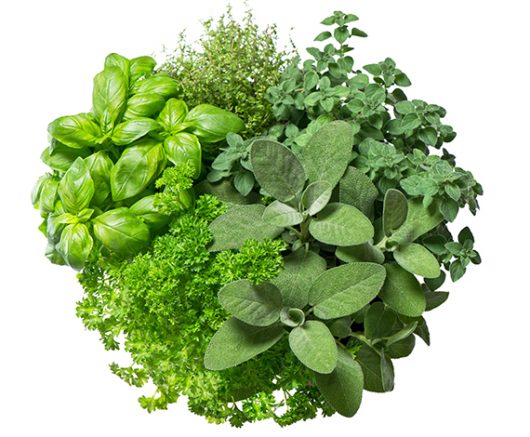
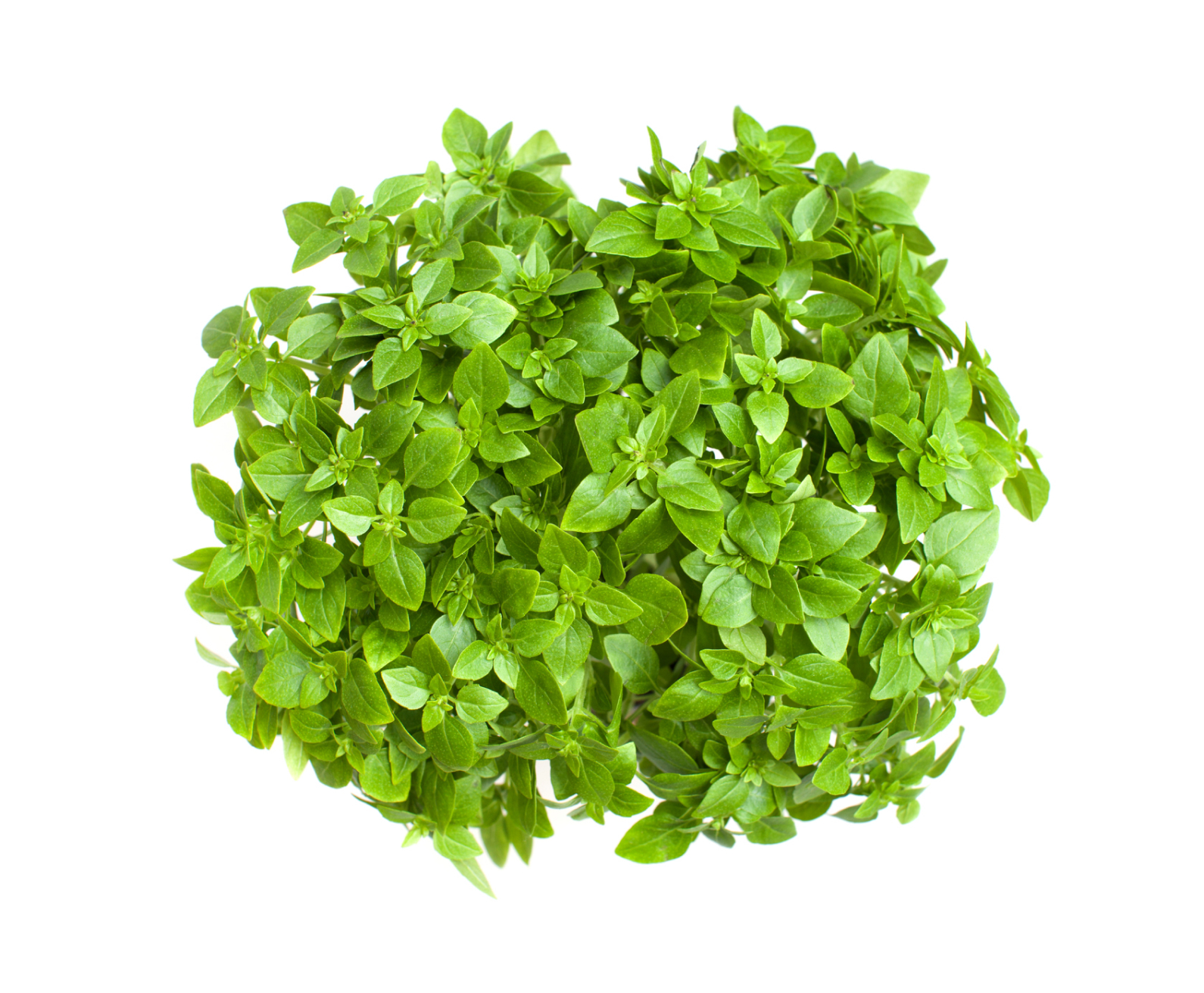
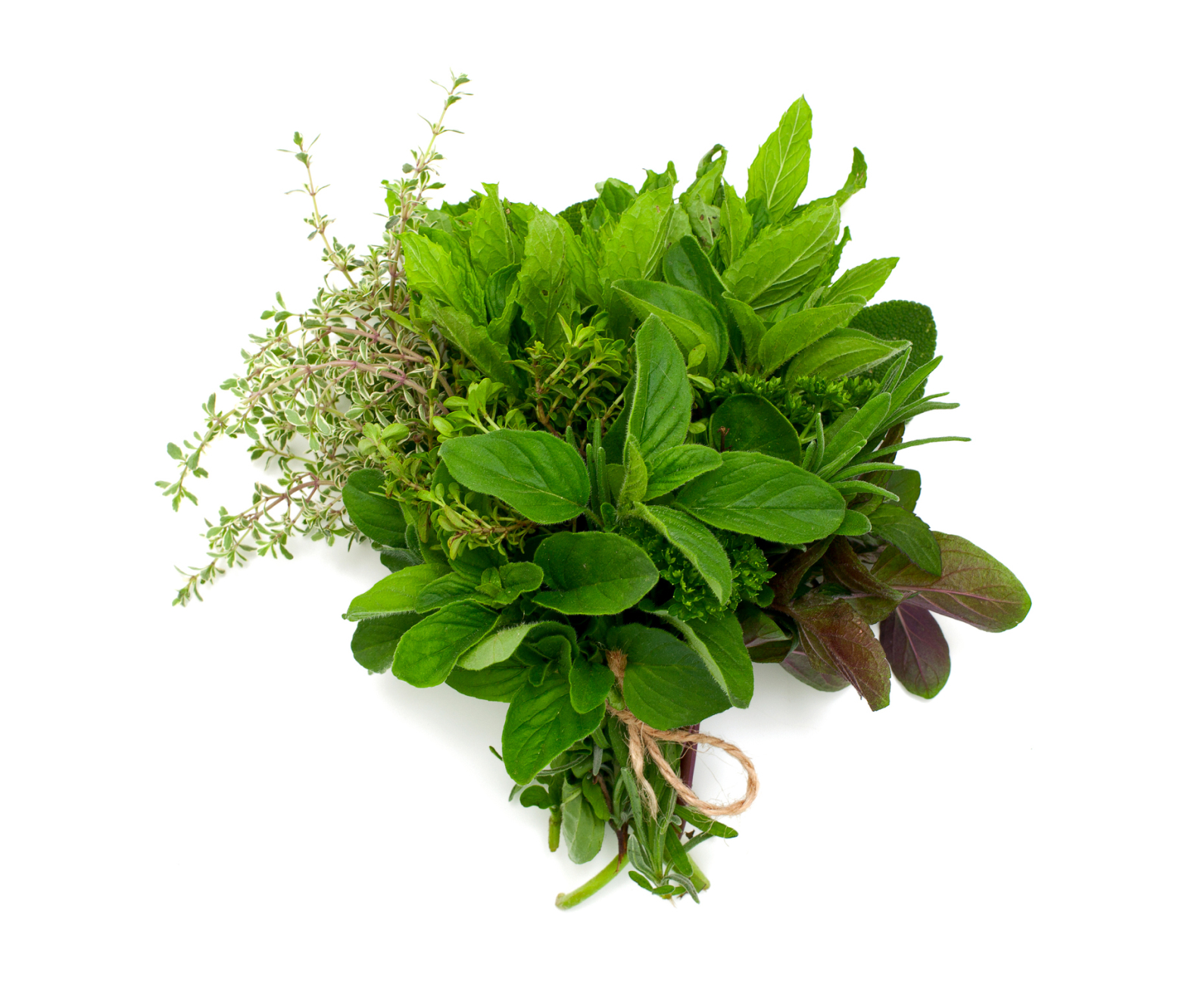
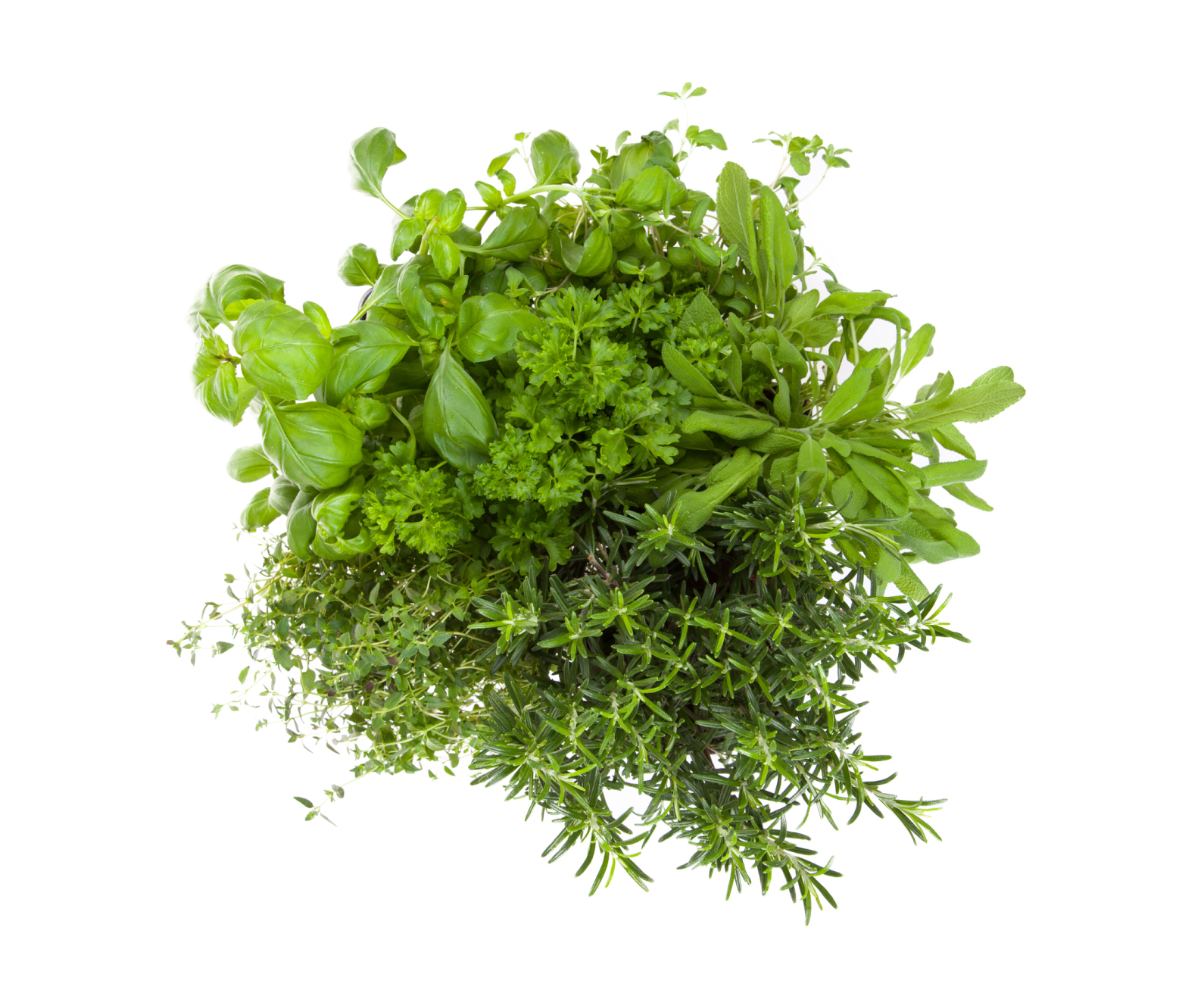
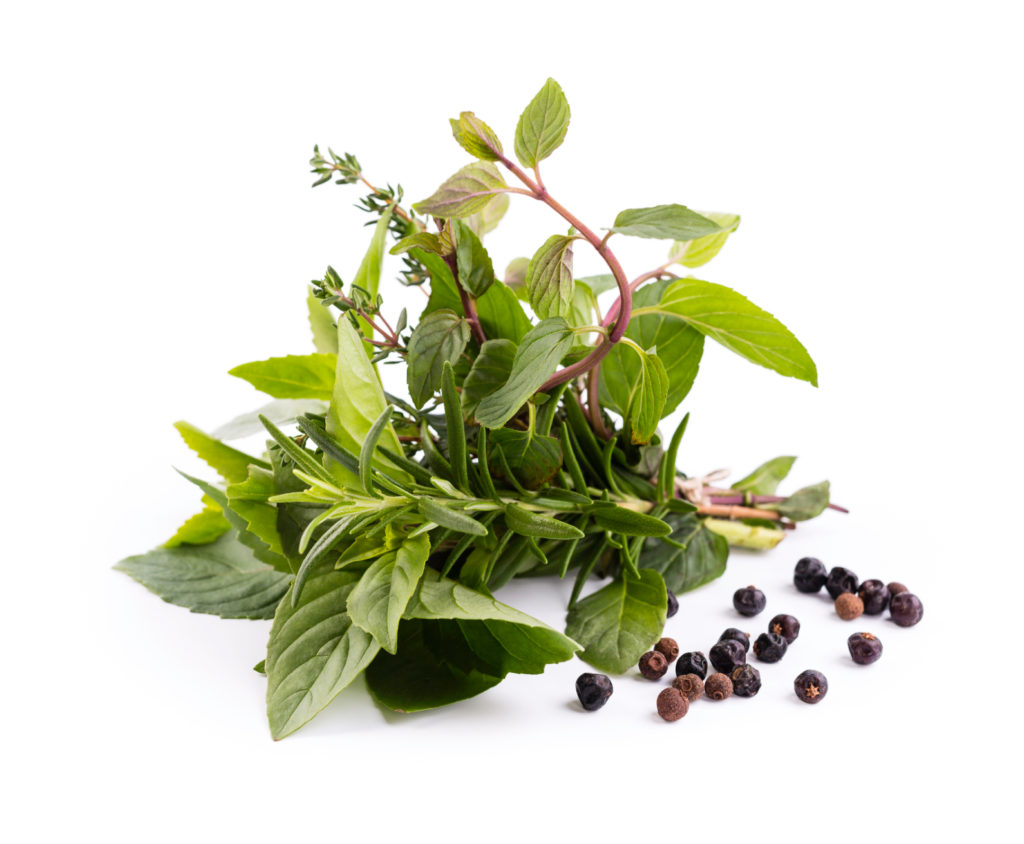
Begin with plants suited to your region and your gardening skill level. For beginners, herbs like basil, mint, thyme, and oregano are easy to grow. Lettuce, radishes, cucumbers, cherry tomatoes, and bush beans are great beginner vegetables.
Buy USDA-certified organic starts or seeds to ensure you’re growing without exposure to harmful chemicals from the beginning.
Water deeply but less frequently. This encourages deep root systems and reduces fungal disease. The best time to water is early in the morning or late in the afternoon. Avoid watering during peak sunlight to reduce evaporation.
Mulch around your plants with straw, shredded leaves, or compost to retain moisture, suppress weeds, and regulate soil temperature.
Instead of reaching for chemical sprays, organic gardeners use natural pest management strategies:
Remember: not all bugs are bad. Many are essential to your garden’s health.
Organic gardening thrives on diversity. Grow a mix of vegetables, herbs, flowers, and even pollinator-friendly plants. Biodiversity helps prevent pest outbreaks, improves pollination, and supports soil health.
Rotate crops each season to reduce disease buildup and avoid depleting soil nutrients.
One of the best tools in your organic gardening toolkit is observation. Walk your garden daily. Look for signs of stress, pests, or growth patterns. Take notes, adjust placement, and learn through experience.
The more attention you give your plants, the more you’ll understand what they need.
Finally, approach your organic garden with patience and gratitude. It won’t be perfect—but it will teach you so much. Every seed is an opportunity, every harvest a reminder of nature’s generosity.
When you grow your own food, you take back control of your health, your nourishment, and your connection to the earth.
Ready to Start?
At Organic Harvest, we offer a wide variety of USDA-certified organic plug trays, seed starts, and garden tools to help you begin your journey confidently. Let us know what you need—and we’ll help you grow from there.