At The Organic Harvest, we’re not just a family-owned, USDA Certified Organic farm on Florida’s Nature Coast—we’re a growing community of people who believe in the power of healthy soil, the joy of homegrown food, and the importance of sustainable living. Every day, we’re reminded that the best gardens start from the ground up. That’s why we’re always on the lookout for tools that make it easier for you to understand and care for your soil, no matter where you are on your organic growing journey.
Recently, we’ve been talking a lot about battery-free handheld pH and EC meters. These unassuming gadgets might not look like much, but they’re quietly changing the way we approach soil health—making it simpler, more sustainable, and accessible for everyone. Today, I want to share with you why these tools matter, how they fit into the bigger picture of organic gardening, and how they’ve already made a difference for growers just like you.
If you’ve ever spent time in the garden, you know that soil is so much more than just dirt. It’s a living, breathing ecosystem teeming with microorganisms, nutrients, and minerals that support every plant you grow. But like any living thing, soil needs care and attention to thrive.
I remember my first year growing tomatoes in our family garden. I followed all the advice I could find—planted them in full sun, watered them regularly, and even talked to them (yes, really!). But despite my best efforts, the plants looked weak and produced only a handful of small, sad tomatoes. It wasn’t until I tested the soil that I realized the problem: the pH was way too high. The nutrients my tomatoes needed were locked up in the soil, unavailable to the plants. That season taught me a valuable lesson: healthy soil is the foundation of a thriving garden.
Soil pH measures how acidic or alkaline your soil is. Most vegetables, herbs, and flowers prefer a slightly acidic to neutral pH (around 6.0 to 7.0), while some plants, like blueberries and azaleas, thrive in more acidic conditions. If your soil is too acidic or too alkaline, plants can’t absorb nutrients properly, leading to stunted growth, yellow leaves, or poor yields.
Electrical Conductivity (EC) measures the concentration of soluble salts in your soil. This helps you understand nutrient availability and avoid over-fertilizing, which can harm plants and pollute waterways. Testing your soil’s pH and EC regularly is a simple step that can make a big difference in your garden’s health and productivity.
For years, soil testing meant sending samples to a lab or using digital meters that required batteries and calibration. While these methods are accurate, they can be costly, complex, or rely on disposable components that aren’t ideal for sustainable living. For busy families and beginner gardeners, the process can feel overwhelming.
That’s why we’re so excited about battery-free handheld pH and EC meters. These tools are designed for simplicity and sustainability, using mechanical or chemical principles to provide instant readings without the need for batteries or electronics. This means you can test your soil anytime, anywhere—without worrying about running out of power or harming the environment.
I’ll never forget the day I first used a battery-free pH meter in our garden. It was a sunny morning, and I was checking on our raised beds. With a quick push of the probe into the soil, I had an instant reading. No waiting, no fuss—just clear, actionable information. It felt like a small miracle, and it reminded me why we do what we do at The Organic Harvest: to make gardening easier, more joyful, and more accessible for everyone.
Battery-free handheld meters are straightforward to use and require minimal setup. Here’s how they typically work and what makes them so user-friendly:
While most advanced digital meters require batteries, there are a few standout options that offer battery-free operation, especially for pH testing. Here’s a closer look at some of the most popular choices for organic gardeners:
Note: Most handheld EC meters currently require batteries, but the market is evolving. For now, battery-free options are primarily available for pH testing.
Choosing battery-free handheld pH and EC meters offers a host of advantages for organic gardeners:
To ensure accurate readings and keep your meter in top shape, follow these simple tips:
One of the things I love most about being part of The Organic Harvest is the sense of community we’ve built with growers just like you. Over the past year, we’ve heard so many stories about how simple tools like battery-free handheld meters have transformed gardens and lives.
Lisa’s Herb Garden:
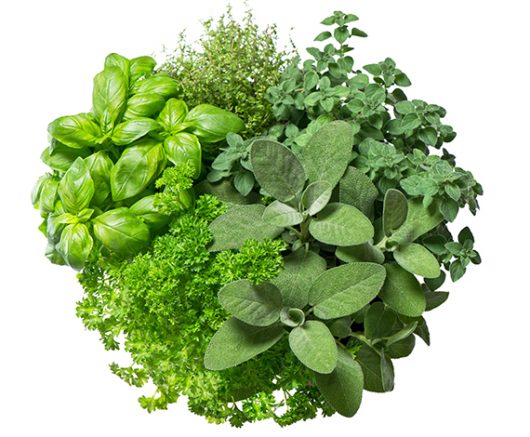
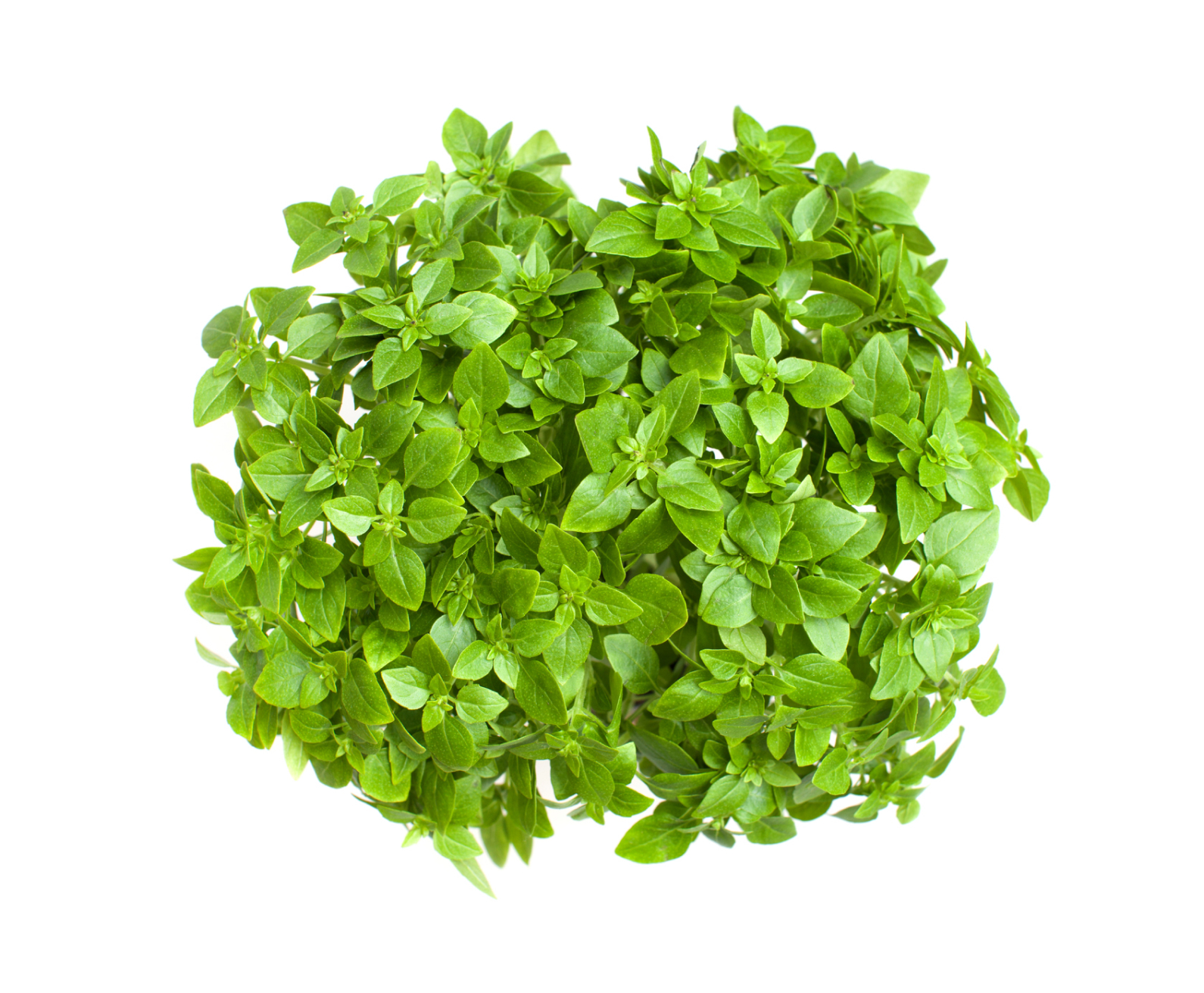
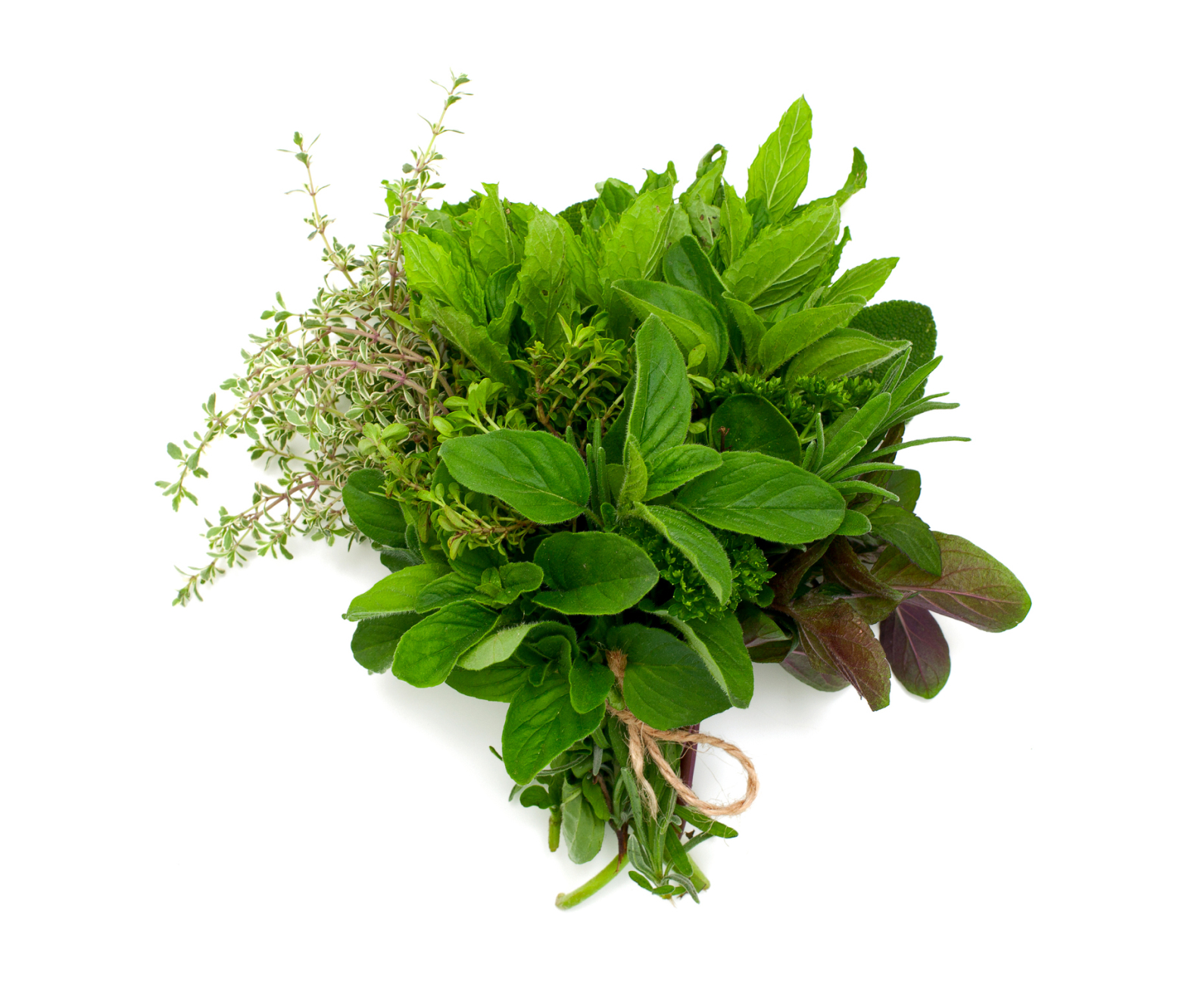
Lisa, a busy mom with two young children, struggled to keep her herb garden thriving. She tried everything—watering more, watering less, adding compost, even talking to her plants (just like I did!). But nothing seemed to work. Then she discovered a battery-free pH meter. With a quick test, she realized her soil was too alkaline for her herbs. She added a little compost and sulfur, and within weeks, her plants were thriving. “It’s made gardening so much easier and more enjoyable,” she told us. “I feel more connected to my plants and confident in my decisions.”
Tom’s Raised Beds:
Tom, a retiree who grows vegetables in raised beds, appreciates the simplicity and sustainability of his battery-free meter. “I don’t have to worry about batteries or complicated gadgets,” he says. “It’s just me, my plants, and the soil—exactly how gardening should be.” Tom uses his meter to check his soil every few weeks, adjusting his watering and fertilizing routine as needed. His garden has never been healthier.
Maria’s Pollinator Garden:
Maria, a first-time gardener, used a battery-free meter to test her soil before planting a pollinator garden. “It gave me the confidence to know I was starting off on the right foot,” she shared. “Now I have a thriving garden that attracts bees, butterflies, and birds.” Maria’s story is a reminder that every gardener, no matter how new, can grow with confidence when they have the right tools and support.
As more gardeners embrace organic and sustainable practices, the demand for simple, reliable tools like battery-free handheld pH and EC meters will only grow. While most EC meters still require batteries, advances in technology may soon bring more battery-free options to market. For now, battery-free pH meters are a great choice for anyone looking to simplify their gardening routine and reduce their environmental footprint.
At The Organic Harvest, we’re excited to see how these tools will continue to evolve and help more people discover the joys of organic gardening. Whether you’re growing herbs on your windowsill, vegetables in your backyard, or pollinator plants to support local wildlife, battery-free handheld meters can help you achieve your gardening goals with confidence and joy.
Gardening is about so much more than just growing plants. It’s about nurturing a sense of connection—to the earth, to your food, and to your community. At The Organic Harvest, we believe that every gardener deserves the tools and knowledge to succeed, no matter where they are on their journey.
Battery-free handheld pH and EC meters are just one example of how we can make gardening more sustainable, accessible, and joyful. By choosing tools that reduce waste, simplify our routines, and help us grow healthier plants, we’re not just improving our own gardens—we’re contributing to a larger movement toward healthier living, food independence, and environmental stewardship.
We’re proud to be part of a growing community of independent growers, all working together to take charge of our health and food supply. With tools like battery-free handheld meters and sustainable practices like rainwater harvesting, vermiculture, and native plant gardening, we’re building gardens that are not only productive, but also kind to the planet and supportive of local wildlife.