If you’ve ever dreamed of harvesting your own sun-ripened tomatoes, snipping fresh herbs for dinner, or simply knowing exactly what goes into your food, you’re in the right place. At The Organic Harvest, we’re passionate about helping you take control of your food supply, one backyard at a time. Whether you’re working with a sprawling yard or a sunny balcony, organic gardening empowers you to nurture your family’s health, support local pollinators, and cultivate true food independence.
Our family has been growing organically for generations, and we know firsthand the joy and satisfaction that comes from watching a tiny seed sprout into a thriving plant. It’s a journey filled with learning, patience, and plenty of hands in the soil. We’re here to walk alongside you every step of the way.
Let’s dig deeper into how you can master organic gardening as a beginner and turn your outdoor space into a thriving, sustainable oasis.
Why Choose Organic Gardening?
Organic gardening is about more than just growing food-it’s about growing better. When you garden organically, you’re making a conscious choice to nurture your family, your environment, and your own sense of independence.
Here’s why more and more folks are choosing to grow the organic way:
- Protect your family’s health with chemical-free produce
- Support pollinators and local wildlife by creating a safe haven for bees, butterflies, and birds
- Build healthier soil for future harvests by feeding the earth, not just your plants
- Save money and reduce waste with homegrown produce and composting
- Reduce your environmental footprint by conserving water and avoiding polluting runoff
Imagine the confidence of serving a salad made from your own garden, knowing it’s free from harmful chemicals. Or the joy of watching your backyard come alive with the buzz of bees and the flutter of butterflies. These are just a few of the rewards organic gardening brings.
Getting Started: Assess and Plan Your Space
Every great garden starts with a plan, and every space has potential. Here’s how to set yourself up for success:
- Observe Your Space
Spend a few days watching the sun’s path across your yard, patio, or balcony. Most vegetables and herbs need at least 6 hours of sunlight per day. Notice where water collects after a rain, and look for spots sheltered from strong winds. We recommend jotting down your observations in a simple journal.
- Choose Your Growing Method:
Depending on your space and needs, you might opt for:
- In-ground beds: Ideal if you have good soil and plenty of space
- Raised beds: Perfect for controlling soil quality and drainage
- Containers: Great for patios, balconies, or renters-many herbs, greens, and even tomatoes thrive in pots
- Start Small
Pick a few easy-to-grow crops. In Florida, we love starting with:
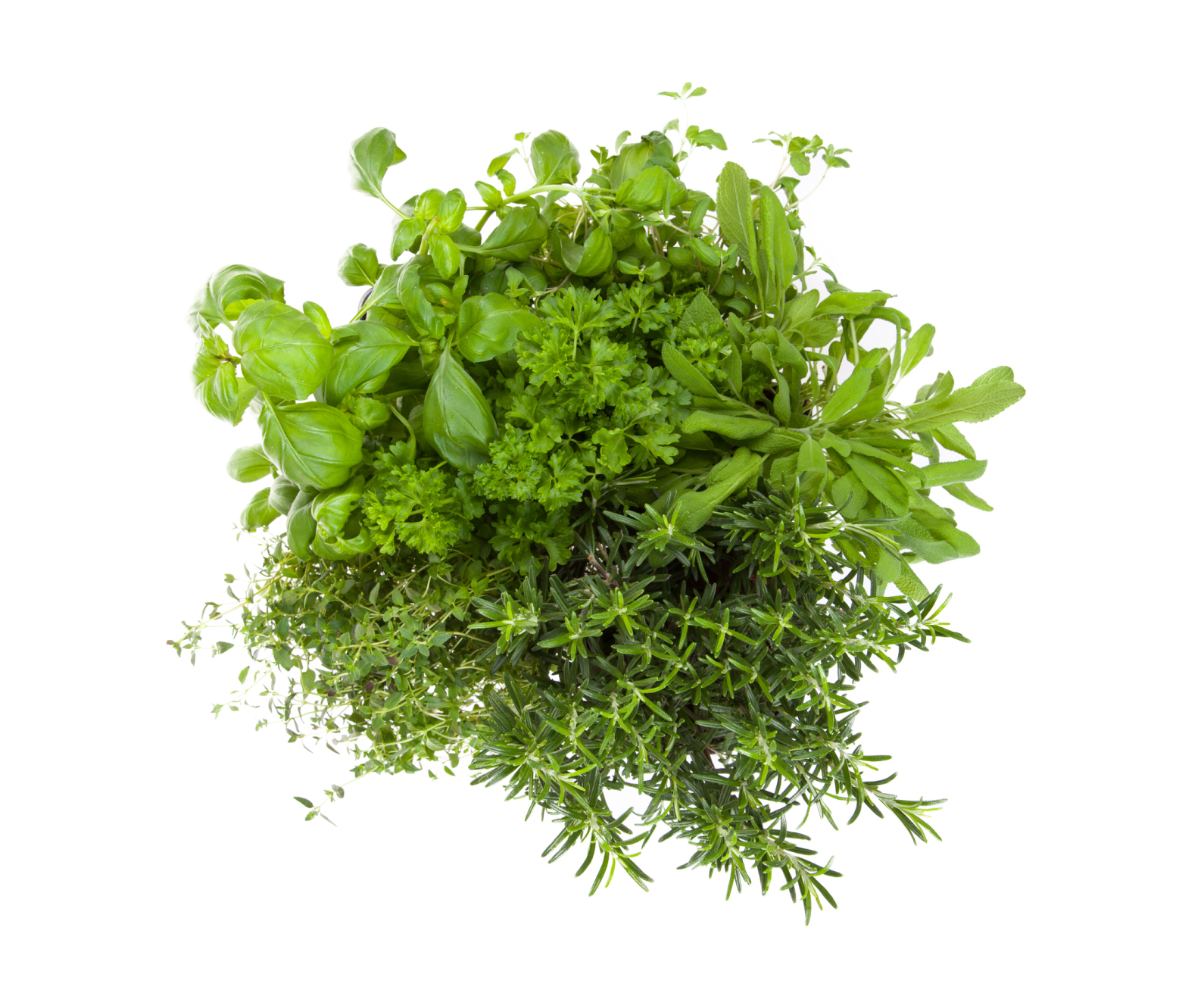
- Basil
- Parsley
- Mint
- Cherry tomatoes
- Peppers
- Leafy greens like kale or lettuce
Success with a few plants builds confidence for seasons to come. Remember, gardening is a journey, and every small victory counts.
- Sketch Your Layout
Plan where each plant will go, allowing enough space for growth and airflow. Companion planting-mixing herbs, flowers, and veggies-can boost yields and keep pests at bay. For example, we often suggest planting marigolds near tomatoes to naturally deter pests.
Soil: The Heart of Organic Gardening
Healthy plants start with healthy soil. Here’s how to nurture your garden’s foundation:
- Test Your Soil
A simple soil test (available at garden centers or your local extension office) tells you your soil’s pH and nutrient levels. Most vegetables prefer slightly acidic to neutral soil (pH 6.0-7.0). Understanding your soil’s needs is a game-changer for garden success.
- Feed the Soil
Help your garden thrive by adding:
- Compost: Homemade or store-bought, compost enriches soil with nutrients and beneficial microbes
- Organic fertilizers: Aged manure, worm castings, or organic blends supplement nutrients
- Mulch: Straw, wood chips, or leaves retain moisture, suppress weeds, and slowly feed the soil as they break down
Mulching also helps keep soil temperatures stable, which is especially important in Florida’s heat.
- Avoid Compaction
Don’t walk on your planting beds. Compacted soil restricts root growth and water movement. We recommend creating dedicated paths to protect your beds.
Plant Selection: Right Plant, Right Place
Choosing the right plants is key to a thriving organic garden. Here’s what to look for:
- Certified Organic seeds and plants: Start chemical-free from the very first sprout. (We take pride in growing USDA Certified Organic plants right here on our family farm.)
- Climate suitability: Match plants to your region’s growing season. For example, leafy greens thrive in Florida’s cooler months, while tomatoes love the warmth.
- Diversity: Mix vegetables, herbs, and pollinator-friendly flowers. Marigolds, nasturtiums, and calendula deter pests naturally, while basil and dill attract beneficial insects.
- Successive harvests: Stagger plantings of fast-growing crops like lettuce or radishes for a continuous harvest.
Diversity also helps create a balanced ecosystem in your garden, supporting both your plants and local wildlife.
Natural Pest and Weed Management
Organic gardening means working with nature, not against it. Here’s how to keep your garden healthy without chemicals:
- Encourage beneficial insects: Ladybugs, lacewings, and bees are your allies. Plant flowers like alyssum and sunflowers to attract them.
- Use physical barriers: Row covers, netting, and collars protect young plants from pests like caterpillars and beetles.
- Hand-pick pests: A quick morning walk through the garden lets you spot and remove pests before they multiply. It’s a peaceful way to connect with your garden daily.
- Organic remedies: For stubborn problems, use natural solutions like neem oil, insecticidal soap, or diatomaceous earth. Always start with the least invasive methods first.
- Mulch and weed regularly: Mulch suppresses weeds and keeps soil moist. Pull weeds by hand to prevent competition for nutrients.
We’ve seen how a healthy population of beneficial insects can keep pest problems in check, and how a little daily attention goes a long way toward a thriving, chemical-free garden.
Composting: Closing the Circle
Composting is the backbone of sustainable gardening. Here’s how to get started:
- Choose Your Composting Method:
- Pile or bin: Simple and effective for most backyards
- Tumbler: Speeds up decomposition and keeps things tidy
- Vermicomposting: Uses worms to break down food scraps, perfect for small spaces
- What to Compost:
- Greens: Fruit and veggie scraps, coffee grounds, grass clippings
- Browns: Leaves, straw, shredded paper, cardboard
- Maintain Your Pile:
- Keep it moist (like a wrung-out sponge)
- Turn it every few weeks for aeration
In a few months, you’ll have rich, crumbly compost to feed your garden. Composting not only nourishes your soil but also reduces household waste-turning yesterday’s scraps into tomorrow’s harvest.
Celebrate Each Step
Organic gardening is a journey, not a race. Every seedling, blossom, and harvest is a milestone worth celebrating. You’ll learn as you go, and that’s all part of the adventure.
- Share your success: Swap stories and tips with neighbors or join our growing community online. We love hearing from fellow gardeners and sharing inspiration.
- Learn from challenges: Every pest, wilt, or failed crop is a lesson that brings you closer to mastery. Gardening teaches patience and resilience.
- Enjoy the harvest: There’s nothing like the taste of a homegrown tomato or the scent of fresh basil from your own backyard. These moments make all the effort worthwhile.
Ready to Grow? Join Our Community
At The Organic Harvest, we’re more than just plant sellers-we’re your partners in the journey to food independence. Whether you’re planting your very first seed or expanding your backyard food forest, our family is here to support you with expert advice, certified organic plants, and a shared passion for sustainable living.
Here’s to your growing success,
The Organic Harvest Family
Relevant Keywords & Entities for Topical Authority:
organic gardening, backyard independence, organic gardening for beginners, USDA Certified Organic, composting, soil health, natural pest control, pollinator plants, food independence, sustainable gardening, Florida gardening, homegrown food, organic produce, chemical-free gardening, companion planting, raised beds, container gardening, beneficial insects, mulch, plant-based wellness
Rooted in health,
The Organic Harvest