At The Organic Harvest, we’re more than just growers-we’re a family rooted deeply in the soil of Florida’s Nature Coast, passionate about helping you take control of your food supply through organic gardening. We know firsthand that growing your own food, medicine, and pollinator plants is not just about plants-it’s about reclaiming independence, nurturing health, and building a community that values sustainability and self-reliance.
If you’ve ever dreamed of stepping outside your door and harvesting fresh, chemical-free produce or fragrant herbs for your family’s table, this guide is for you. We’ll walk alongside you from the very first handful of soil to the moment you bring home your harvest, sharing practical tips, heartfelt encouragement, and the wisdom we’ve gathered over generations.
Imagine your garden as a living, breathing community beneath your feet. Soil isn’t just dirt-it’s a bustling ecosystem filled with tiny microbes, fungi, and earthworms that work tirelessly to nourish your plants. At The Organic Harvest, we believe that healthy soil is the cornerstone of chemical-free gardening. Without it, even the best seeds and care can fall short.
When you garden organically, you’re inviting nature to do the heavy lifting. Instead of relying on synthetic fertilizers that can harm soil life and create imbalances, you feed the soil itself. Compost, rich in decomposed plant matter, is like a multivitamin for your garden’s underground community. It improves soil structure, retains moisture, and slowly releases nutrients that plants crave. Adding well-aged manure or natural mineral blends like rock dust can further enrich your soil, providing trace elements essential for vibrant growth.
One of the most important lessons we’ve learned is to disturb the soil as little as possible. Tilling can disrupt the delicate web of life underground, so we encourage no-till or minimal tilling methods. This preserves beneficial fungi and bacteria, keeps soil layers intact, and prevents erosion.
Testing your soil’s pH and nutrient levels is another step that helps you tailor your amendments precisely. It’s like checking your garden’s health before you plant, ensuring your soil is balanced and ready to support life.
Here’s a quick checklist to get your soil in shape for a thriving chemical-free garden:
When your soil is alive and thriving, your plants develop strong roots and natural defenses. This means fewer pests and diseases, and less need for interventions. Healthy soil truly is the foundation of chemical-free gardening success.
One of the biggest concerns for new gardeners is pest control. We get it-no one wants to see their hard work eaten away by bugs. But chemical-free gardening offers a different approach: working with nature rather than against it.
Instead of reaching for pesticides, we encourage you to create a balanced backyard ecosystem where pests are naturally kept in check. Companion planting is a simple yet powerful tool. For example, planting garlic or chives near your tomatoes can confuse and repel aphids. Marigolds planted alongside vegetables deter nematodes and other pests. It’s like having your own natural pest-repellent team right in your garden.
But it doesn’t stop there. Flowers like sweet alyssum, dill, and yarrow attract beneficial insects such as ladybugs, lacewings, and parasitic wasps. These tiny warriors feast on common pests, protecting your plants without any harmful chemicals. We love planting these “good bug magnets” around our beds-it’s a win-win for your garden’s health and biodiversity.
Physical barriers also play a role. Row covers, collars, and netting can protect young seedlings from hungry critters. Crop rotation-changing where you plant different families of vegetables each season-prevents pests and diseases from building up in the soil.
And sometimes, the simplest method is the best: regular inspection and manual removal. Taking a few minutes each day to check your plants and gently remove pests by hand can make a huge difference.
To help you get started, here’s a step-by-step approach to natural pest management:
By embracing natural pest management, you’re not just protecting your garden-you’re fostering a sustainable, chemical-free ecosystem that will serve you season after season.
If there’s one thing we’ve learned over the years, it’s that diversity is the secret sauce to a thriving garden. A monoculture-a garden with just one type of plant-may look tidy, but it’s vulnerable to pests, diseases, and soil depletion. A diverse garden, on the other hand, is a vibrant, resilient ecosystem.
We encourage you to grow a variety of vegetables, herbs, flowers, and native plants. This variety feeds different pollinators and beneficial insects, creating a web of life that supports your garden’s health. Native plants, in particular, are adapted to your local environment and provide essential habitat for bees, butterflies, and hummingbirds.
Pollinator-friendly plants like milkweed, coneflowers, and bee balm not only brighten your garden but also ensure that your fruits and vegetables get the pollination they need to thrive. These plants are nature’s way of saying, “Let’s work together.”
Cover crops such as clover or buckwheat are another tool we use to protect soil during the off-season. They prevent erosion, fix nitrogen (a vital nutrient), and suppress weeds naturally.
Water-wise gardening practices like mulching and drip irrigation conserve precious water, reduce weed growth, and keep your plants happy. Mulch also feeds the soil as it breaks down, continuing the cycle of life beneath your feet.
Creating small habitat features-like brush piles, birdhouses, or shallow water dishes-invites wildlife that supports your garden’s balance. Birds, frogs, and beneficial insects all play their part in keeping pests under control.
Here are some practical ways to cultivate biodiversity and sustainability in your garden:
By cultivating biodiversity, you’re not just growing plants-you’re growing a sustainable, living community that nurtures itself and the environment.
There’s nothing quite like the feeling of harvesting food you grew yourself. It’s a deep satisfaction that goes beyond taste-it’s about knowing exactly what’s in your food and how it was grown.
When you choose chemical-free, organic gardening, you’re choosing health for your family and the planet. Our USDA Certified Organic plants give you peace of mind that your garden is free from harmful pesticides and synthetic chemicals. This means the fruits, vegetables, and herbs you harvest are packed with nutrition and flavor.
Growing your own food is also a powerful step toward food independence. In uncertain times, having a backyard food supply means you’re less reliant on grocery stores and supply chains. Each plant you nurture is a small act of self-reliance.
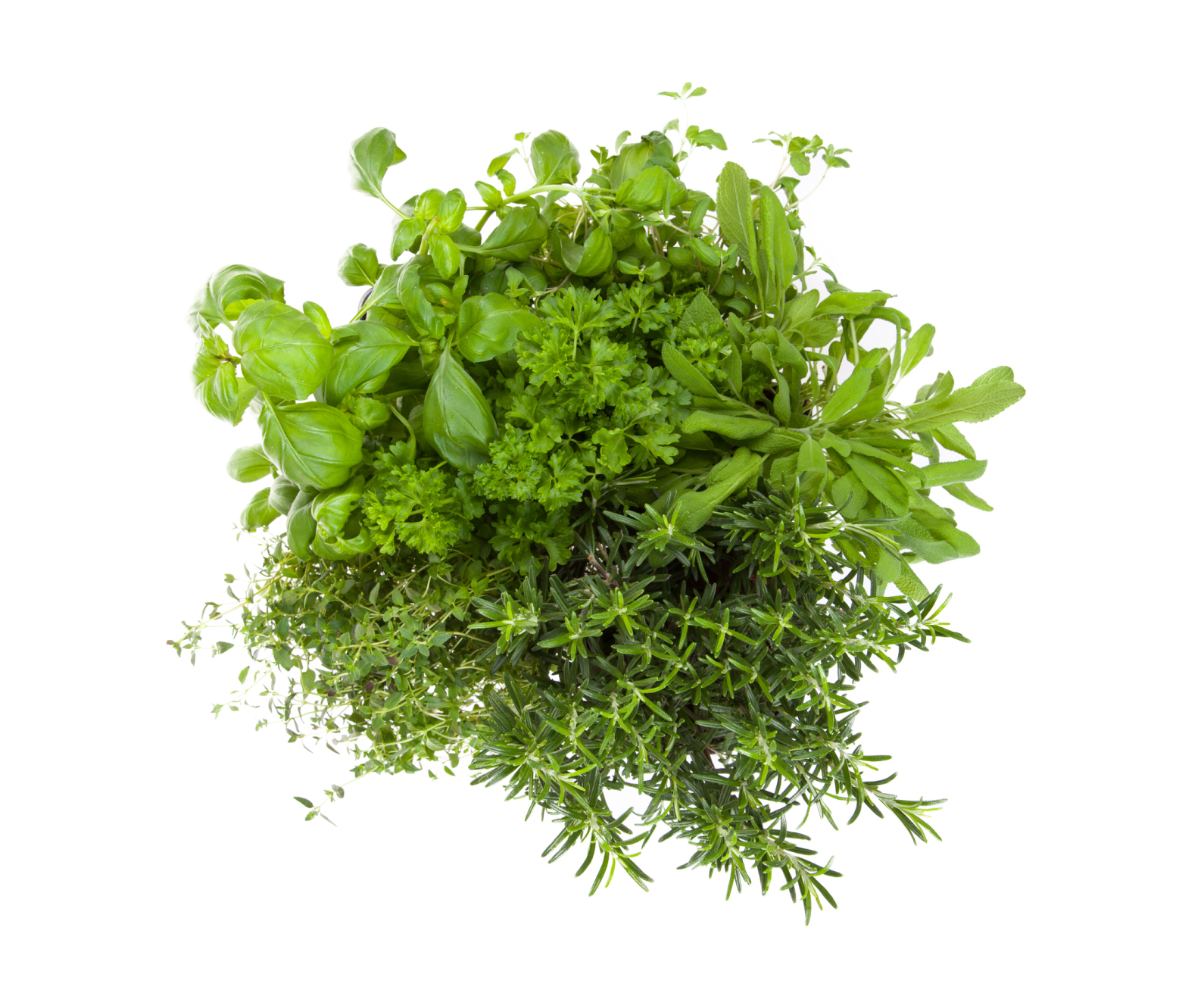
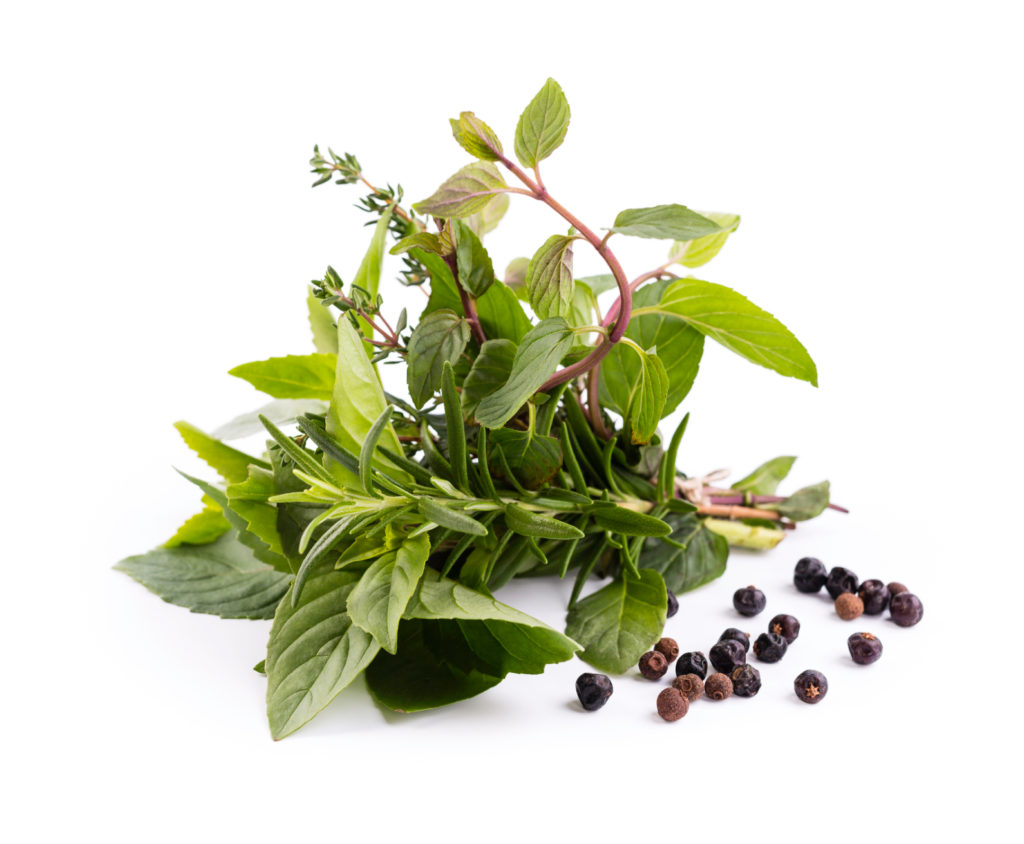
And don’t forget about nature’s medicine cabinet. Plants like echinacea, calendula, chamomile, and peppermint offer natural remedies right in your garden. Growing these herbs connects you to centuries of plant-based wellness traditions.
Gardening also reconnects you with the earth’s rhythms. It’s a chance to slow down, get your hands dirty, and appreciate the seasons. This connection reduces stress and fosters a sense of accomplishment and joy.
Here are some of the many benefits you’ll enjoy by growing your own organic food and medicine:
At The Organic Harvest, we celebrate every gardener’s journey-from the first sprout to the final harvest. We know it’s not always easy, but the rewards are worth every moment.
We’re proud to be a family-owned and operated farm, and we bring that same care and commitment to supporting you. Our plants are grown right here on Florida’s Nature Coast under strict USDA Certified Organic standards. When you choose our plants, you’re choosing quality and integrity.
But we don’t stop at plants. We’re here to share knowledge, answer your questions, and cheer you on. Whether you’re planting your first herb garden or expanding your backyard ecosystem, we provide clear, practical advice that empowers you without jargon.
Our growing community is full of passionate gardeners just like you, sharing tips, successes, and encouragement. Together, we’re nurturing a movement toward healthier living, sustainable gardening, and food independence.
Here’s how we support you every step of the way:
Remember, every garden starts with a single seed, and we’re honored to be part of your growing story.
Your chemical-free organic garden awaits. With over 200 varieties of USDA Certified Organic plants grown with love and care, we’re here to help you create your perfect backyard ecosystem. From soil preparation to harvest, we’re with you every step of the way.
Take control of your food supply one plant at a time. Experience the joy of homegrown health, the satisfaction of chemical-free gardening, and the power of sustainable living.
Happy growing!
From our family to yours,
The Organic Harvest Team