There’s a special kind of magic in biting into a sun-warmed tomato you grew yourself—especially when you know it’s truly clean, grown without a drop of synthetic fertilizer or pesticide. At The Organic Harvest, we’ve seen firsthand how growing your own food can transform not just your backyard, but your sense of independence and well-being. We’re here to walk alongside you, one seedling at a time, as you begin your journey into chemical-free organic gardening.
For us, organic gardening is about more than just what we don’t use. It’s about what we do build: healthy soil, resilient plants, and a thriving ecosystem right outside your door. When you skip the synthetic chemicals, you’re not just protecting your family’s health—you’re supporting pollinators, enriching your soil, and becoming part of a growing community that values real, homegrown food.
We know from experience that the path to food independence starts with a single plant. Maybe it’s a pot of basil on your porch, or a raised bed full of greens. Either way, you’re taking control of your food supply, and that’s something worth celebrating.
Every successful garden starts with a bit of planning. We like to walk our property in the morning, coffee in hand, watching where the sun falls and imagining rows of vegetables soaking up the light. Most edible plants need at least six hours of sun, so look for a spot that gets plenty of direct sunlight. Good drainage is key—roots don’t like to sit in soggy soil.
Don’t worry if your space is limited. Some of our best harvests have come from containers on a sunny patio or a small raised bed tucked beside the house. Start small, especially if this is your first season. A 4’x4’ bed, a few large pots, or even a collection of grow bags can yield a surprising bounty and help you build confidence.
When you’re ready to design your garden, think about the plants you love to eat. Are you dreaming of fresh salsa? Tomatoes, peppers, and cilantro are a great trio. Craving salads? Lettuce, arugula, and radishes are quick and rewarding. We always recommend starting with crops you’ll actually use in your kitchen—you’ll be more motivated to care for them, and nothing beats the taste of homegrown produce.
Here’s a quick checklist to get your planning off on the right foot:
Choose a spot with at least 6 hours of sunlight
Make sure your garden area has good drainage
Start small with a raised bed, containers, or grow bags
Select crops you and your family love to eat
If there’s one secret to chemical-free gardening, it’s all about the soil. Healthy, living soil is the foundation for everything that follows. Before you plant, take a little time to get to know your dirt. We like to use a simple soil test kit to check pH and nutrient levels. Most vegetables thrive in soil that’s slightly acidic to neutral (pH 6.0–7.0).
Once you know what you’re working with, it’s time to feed your soil. We build our beds with generous helpings of compost—homemade if you have it, or a high-quality organic blend if you don’t. Compost adds nutrients, improves texture, and brings in beneficial microbes that help plants grow strong and resilient.
If your soil is heavy clay, mix in some coarse sand or leaf mold to improve drainage. Sandy soil? Add extra compost and a bit of coconut coir to help retain moisture. We’re big fans of mulching with straw or shredded leaves, which keeps the soil cool, prevents weeds, and slowly breaks down to feed your plants.
When it comes to building up your soil, these organic amendments are our go-to favorites:
Finished compost
Aged manure
Worm castings
Leaf mold
Straw or shredded leaves (for mulch)
Over time, you’ll notice your soil becoming darker, richer, and teeming with earthworms. That’s when you know you’re on the right track—nature’s telling you your garden is thriving.
When it comes to choosing what to plant, we always recommend starting with organic seeds or certified organic starter plants. These haven’t been treated with synthetic chemicals and are bred for resilience in real-world gardens. At The Organic Harvest, our plug tray starters are grown to thrive in backyard conditions, so you can skip the stress of starting seeds indoors if you’d rather get right to planting.
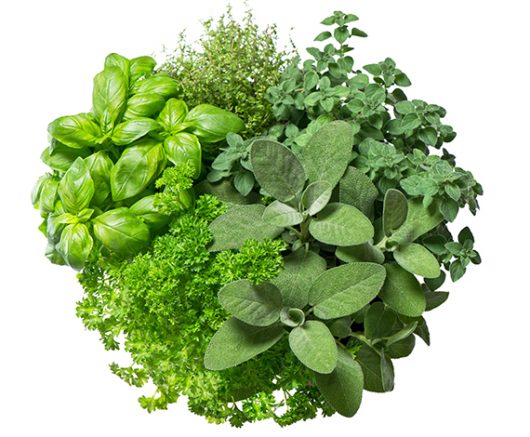
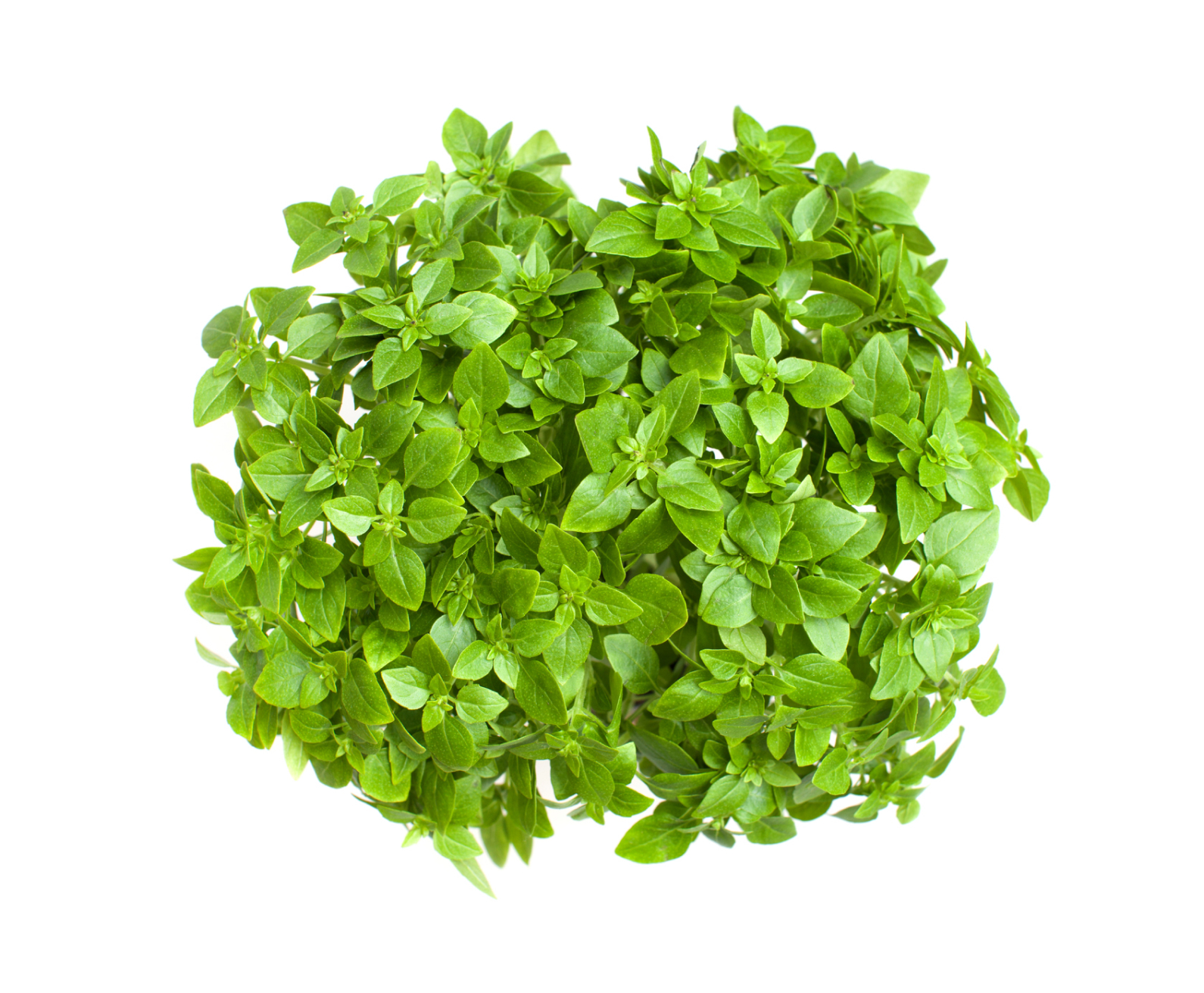
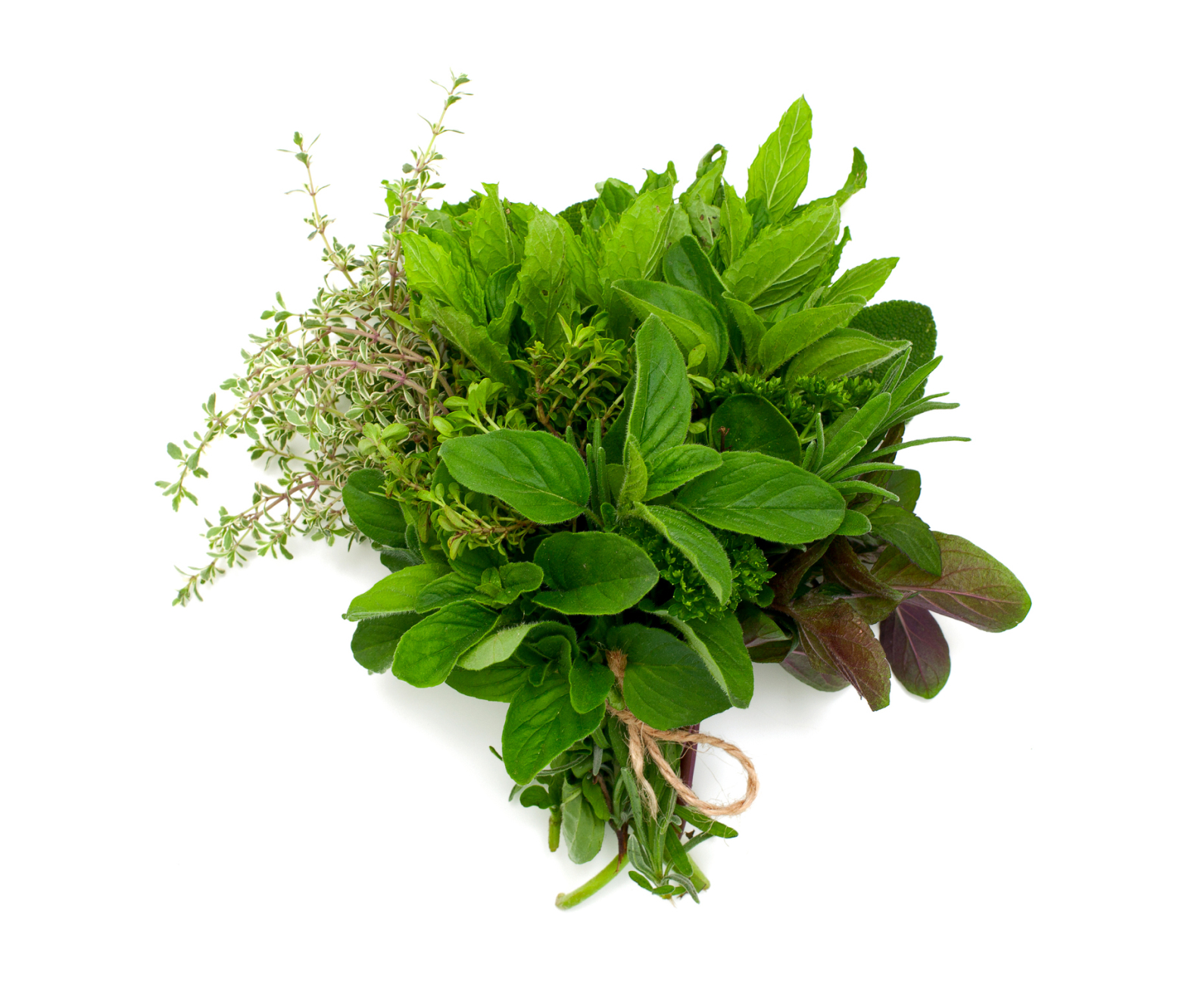
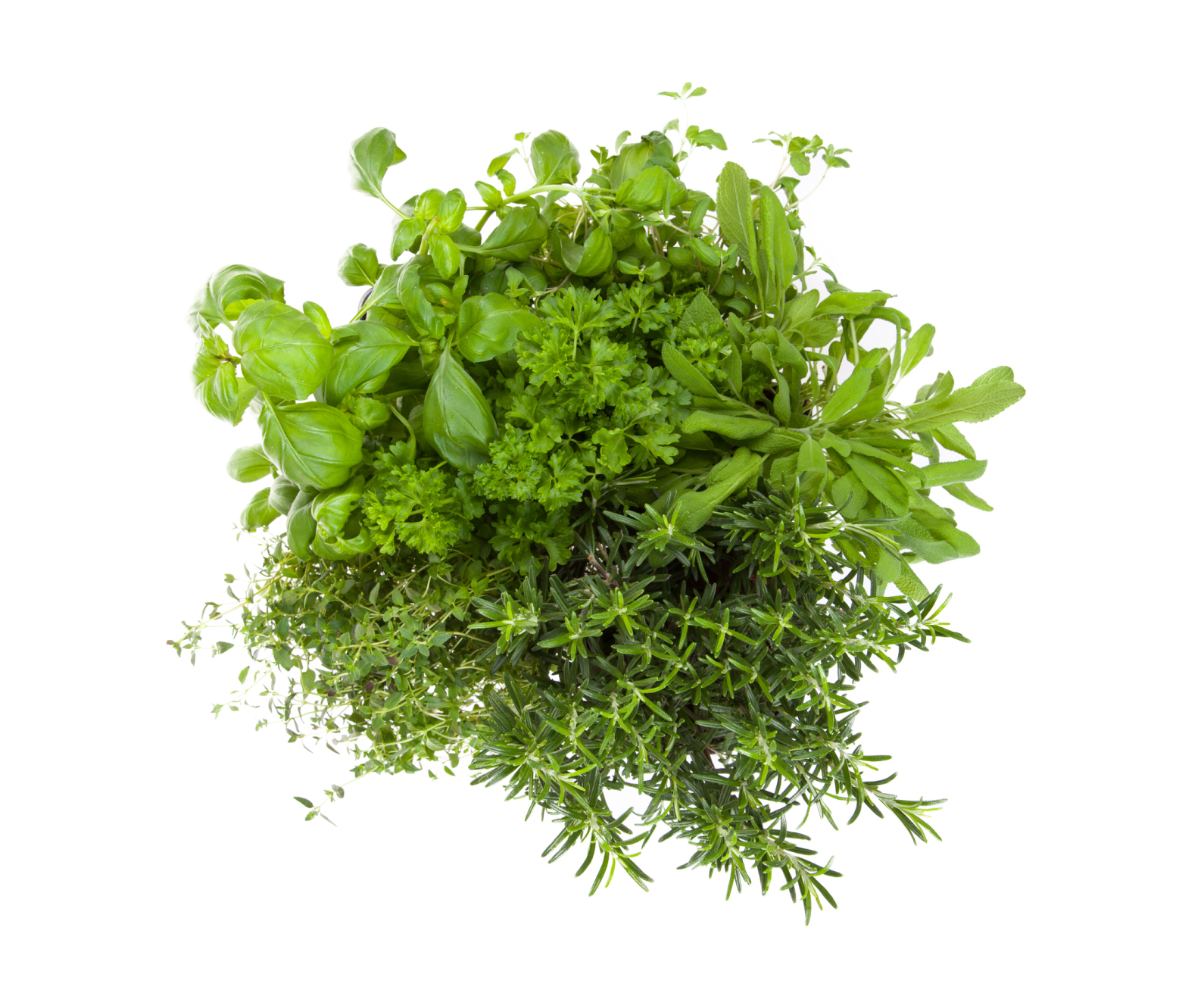
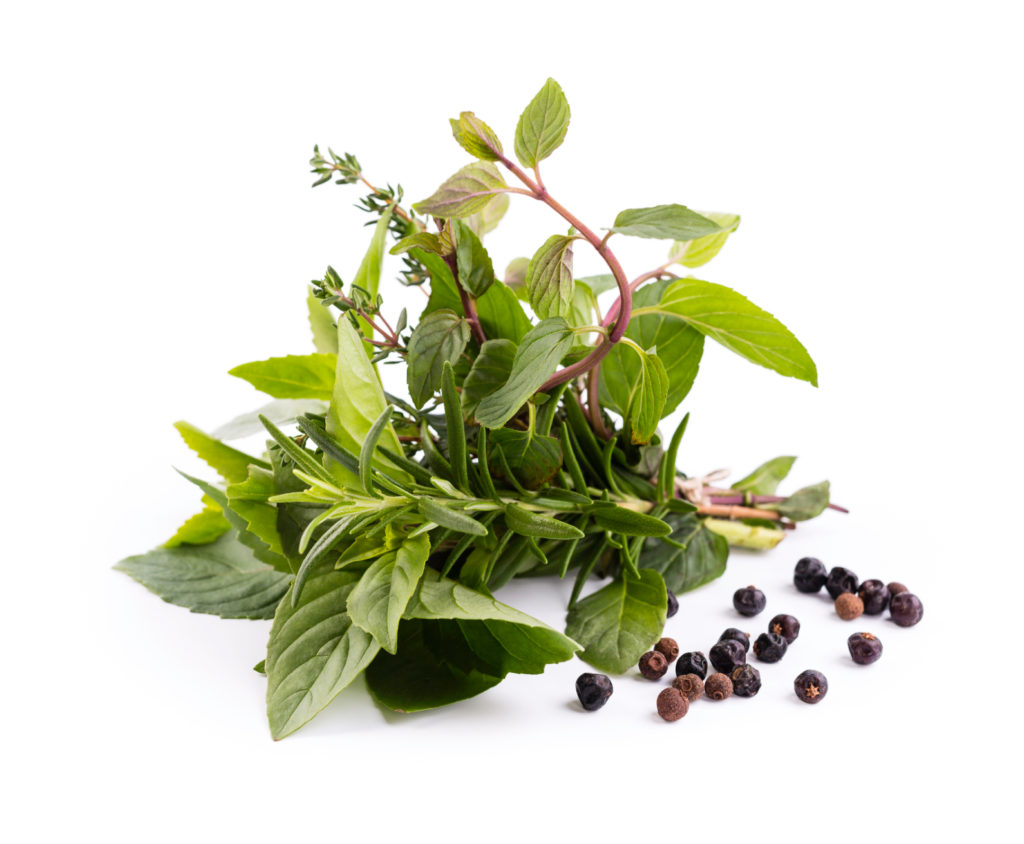
Think about what grows well in your region and your specific microclimate. In Florida’s Nature Coast, for example, we love growing heat-tolerant herbs like basil and oregano, as well as leafy greens that can handle a bit of shade. If you’re in a cooler climate, try kale, peas, or root vegetables like carrots and beets.
If you’re looking for some tried-and-true starter crops, here are a few of our family favorites:
Basil
Kale
Oregano
Echinacea
Calendula
Lavender
Consider mixing in a few medicinal or pollinator-friendly plants, too. Echinacea, calendula, and lavender not only look beautiful but also attract bees and butterflies, supporting your garden’s natural balance.
Planting day is always an exciting milestone. Whether you’re sowing seeds or transplanting plugs, give your plants the best possible start. Loosen the soil, mix in a bit more compost, and water the area thoroughly before planting.
Here’s our tried-and-true planting process:
Loosen the soil in your bed or container.
Mix in a generous helping of compost or worm castings.
Water the area thoroughly before planting.
Place your seeds or starter plants at the recommended spacing.
Gently firm the soil around each plant and water them in.
Mulch around your plants with straw, wood chips, or untreated grass clippings.
If you’re starting with seeds, keep the soil consistently moist until they sprout. For transplants, water them in well and keep an eye out for signs of transplant shock (wilting or yellowing leaves). Most plants bounce back quickly once their roots settle in.
Organic gardening is about working with nature, not against it. Watering is no exception. We recommend watering deeply and less frequently, encouraging roots to grow down into the soil. Early morning is the best time—plants can soak up moisture before the heat of the day, and leaves dry quickly, reducing the risk of disease.
A few watering tips from our family to yours:
Water deeply at the base of plants to encourage strong roots
Water early in the morning to prevent disease
Use a rain barrel to collect soft, chemical-free rainwater
Mulch to help retain soil moisture and reduce watering needs
Keep an eye on your garden as it grows. Pull weeds by hand before they get out of control, and top up your mulch as needed. Remove any diseased leaves or plants promptly to keep problems from spreading. Clean your tools between uses, especially if you’ve been dealing with disease or pests.
One of the greatest joys of organic gardening is watching the ecosystem come alive. Bees, butterflies, ladybugs, and birds all play a role in keeping your garden healthy. Encourage them by planting a diversity of flowers and herbs, and avoid using anything that could harm them.
For pest control, prevention is your best friend. Healthy, well-fed plants are much less likely to succumb to bugs or disease. Rotate your crops each year to break pest and disease cycles, and practice companion planting—pairing plants that benefit each other. For example, marigolds deter nematodes, while basil can help repel tomato hornworms.
If you do spot pests, start with the simplest solutions. Here’s what we recommend:
Hand-pick caterpillars or beetles and drop them into a bucket of soapy water
For aphids or mites, spray with water and a mild soap solution
Use neem oil, insecticidal soap, or diatomaceous earth sparingly for tougher infestations
Plant dill, fennel, or yarrow to attract beneficial insects like ladybugs and lacewings
Encourage birds by providing a water source and safe habitat
Remember, not every bug is a bad bug. Ladybugs, lacewings, and predatory wasps are your allies—invite them in and let them help you keep pests in check.
Organic gardening is a journey, not a destination. Each day brings new discoveries—tiny sprouts pushing through the soil, the first blush of color on a ripening tomato, or the hum of bees visiting your flowers. Take time to walk your garden, observe what’s working, and celebrate your successes.
Don’t be discouraged by setbacks. Every gardener faces challenges, from unexpected frosts to mysterious leaf spots. The key is to stay curious and keep learning. Reach out to fellow gardeners, join local groups, or leave us a comment—we’re always happy to help troubleshoot and share what we’ve learned.
As the seasons change, feed your soil with compost or organic fertilizers, rotate your crops, and try new varieties. The more you experiment, the more you’ll discover what works best in your unique space.
There’s nothing quite like the taste of food you’ve grown yourself. The first crisp snap of a homegrown green bean, the sweetness of a sun-ripened strawberry, or the fragrance of freshly picked basil—these are the rewards of your hard work and care.
Here are some of our favorite ways to enjoy your harvest:
Eat fresh from the garden—nothing beats the flavor
Toss together homegrown salads or blend greens into smoothies
Dry herbs and flowers for teas, salves, or seasoning
Share your bounty with friends, family, and neighbors
Harvest regularly to encourage more production, and don’t be afraid to get creative in the kitchen. Organic gardening is about building community as much as it is about growing food.
At The Organic Harvest, we believe that everyone deserves the chance to grow their own food, medicine, and pollinator plants. We’re committed to supporting you every step of the way, from choosing the right plants to troubleshooting garden challenges. Our family has learned a lot over the years, and we’re passionate about sharing that knowledge with you.
Remember, every garden is unique, and every season brings new opportunities. Whether your harvest is a handful of cherry tomatoes or a basket overflowing with greens, you’re making a real difference—for your health, your family, and the planet.
So roll up your sleeves, get your hands in the soil, and start your own chemical-free organic garden. We’re here to cheer you on, answer your questions, and celebrate your successes.
Happy growing!
From our family to yours,
The Organic Harvest Team