Tuscan Blue Rosemary: Aromatic Elegance for Your Garden and Kitchen
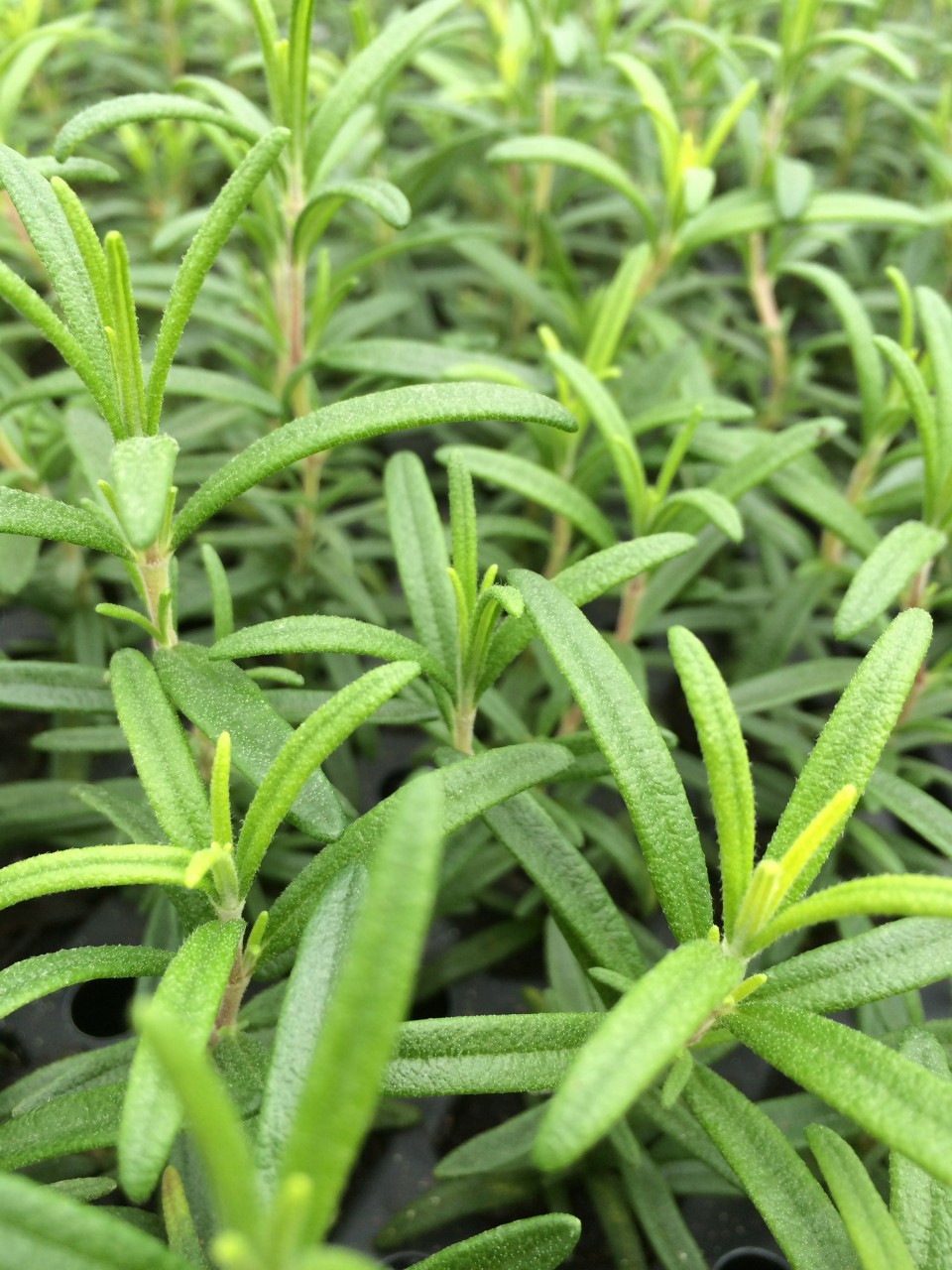
Tuscan Blue Rosemary is a distinguished variety of the classic Mediterranean herb, known for its intense flavor and striking appearance. This slow-growing, tender perennial matures into a stately plant reaching 24-30 inches in height, perfect for both ornamental and culinary purposes[1][5]. With its upright growth habit and vibrant blue flowers blooming from winter to spring, Tuscan Blue adds a touch of Mediterranean charm to any garden or container[2][5].
Prized for its culinary versatility, Tuscan Blue Rosemary enhances a wide range of dishes with its robust, aromatic flavor[3]. Its needle-like leaves are rich in essential oils, making it an excellent choice for flavoring roasted meats, soups, and vegetable dishes[3]. Beyond the kitchen, this variety’s vibrant blue flowers attract pollinators, contributing to garden biodiversity while providing a stunning visual display[3][6].
Tuscan Blue Rosemary thrives in full sun and well-drained soil, showcasing impressive drought tolerance once established[2][5]. This hardy herb can be grown in USDA zones 7-10, with some gardeners successfully overwintering it in zone 8 with proper protection[5]. For those in cooler climates, Tuscan Blue adapts well to container gardening, allowing for easy relocation during harsh weather[5][7].
Growing Success Tips:
- Plant in full sun with well-drained soil for optimal growth[2]
- Allow soil to dry between waterings to prevent root rot[2]
- Prune after flowering to maintain shape and promote bushiness[5]
- In colder regions, consider container planting for winter protection[5]
Tuscan Blue Rosemary is an investment in both beauty and flavor for your garden. Its aromatic foliage, culinary uses, and ornamental value make it a versatile addition to any outdoor space[7].
For a continuous harvest, regularly trim the tips of the branches to encourage new growth.
Product Features
- Mature height: 24-30 inches
- Growth rate: Slow
- Flower color: Vibrant blue
- Bloom time: Winter to spring, with possible summer/autumn reblooming[2][5]
- Hardiness: USDA zones 7-10
- Exposure: Full sun
- Water use: Average, drought-tolerant when established
- Soil preference: Well-drained, pH 6.0-7.0[2]
Key Benefits
- Intense flavor for culinary applications
- Attractive blue flowers that support pollinators
- Drought-tolerant and low-maintenance
- Suitable for both in-ground and container planting[3][5][7]